


We’re employee-owned, every team member you work with brings the mindset of a business owner.

Alan Coleman, CEO


As we settle into 2026, the divergence between general retail performance and digital has never been more stark. While the CSO reports modest retail growth of 1.5%, the online sector is surging ahead, recording an average year-on-year (YoY) growth of 19%.
Online is unarguably the primary growth engine for retail in Ireland.
Within the Wolfgang Online Retail Report 2026, we have tried to offer more than just metrics - we’re outlining a roadmap for growth. We analysed €0.52 billion in e-commerce revenue to identify exactly what is driving double-digit growth. The data reveals a landscape defined by aggressive paid media strategies, the dominance of multichannel players, and a nascent but exploding AI frontier.
Here are the critical insights every retail marketer and leader needs to know to guide their strategic decision-making this year.
The debate between "pure play" and "brick-and-mortar" is over; the winner is the hybrid model. Multichannel retailers are growing nearly 5 times faster than their online-only counterparts.
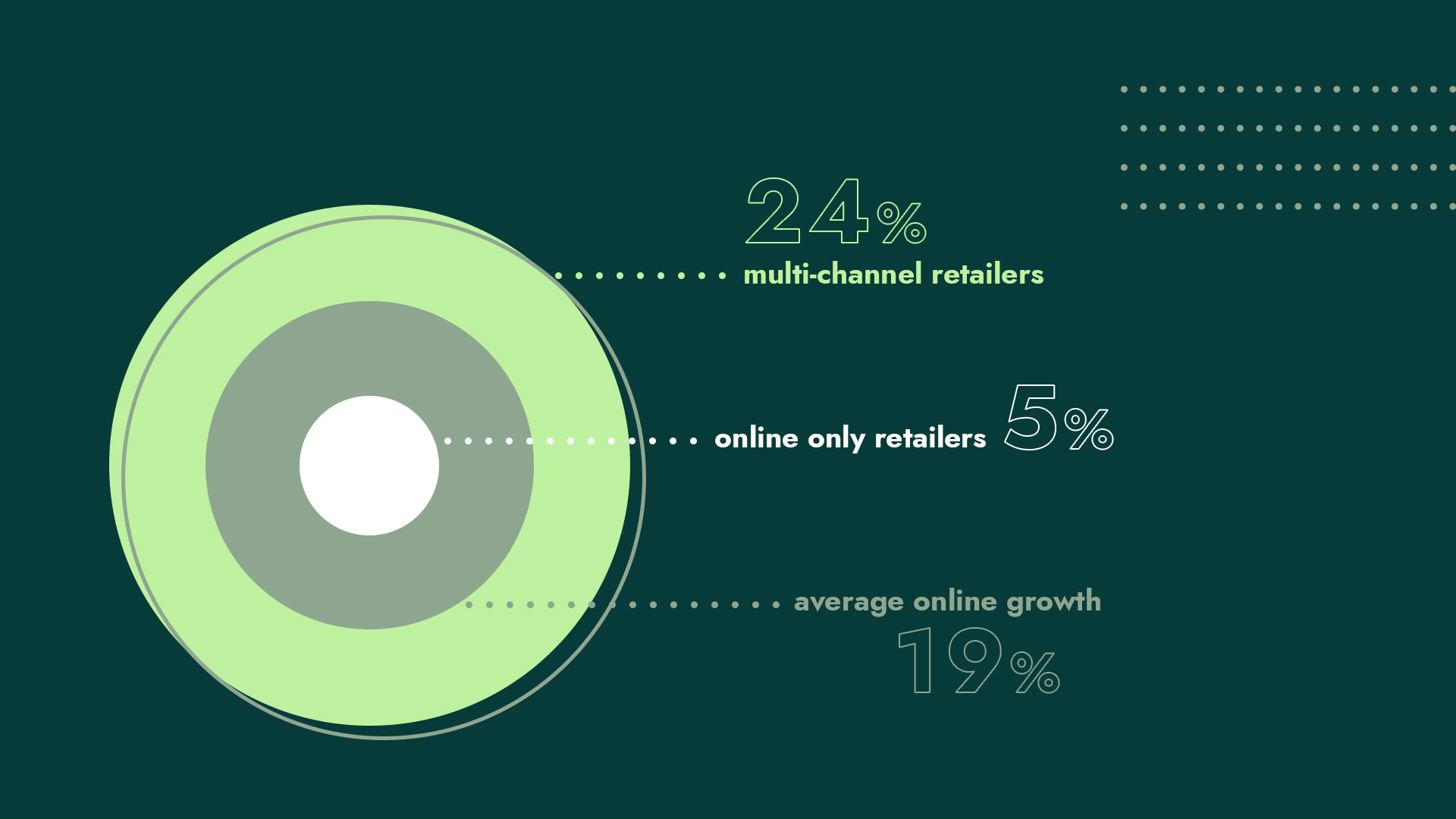
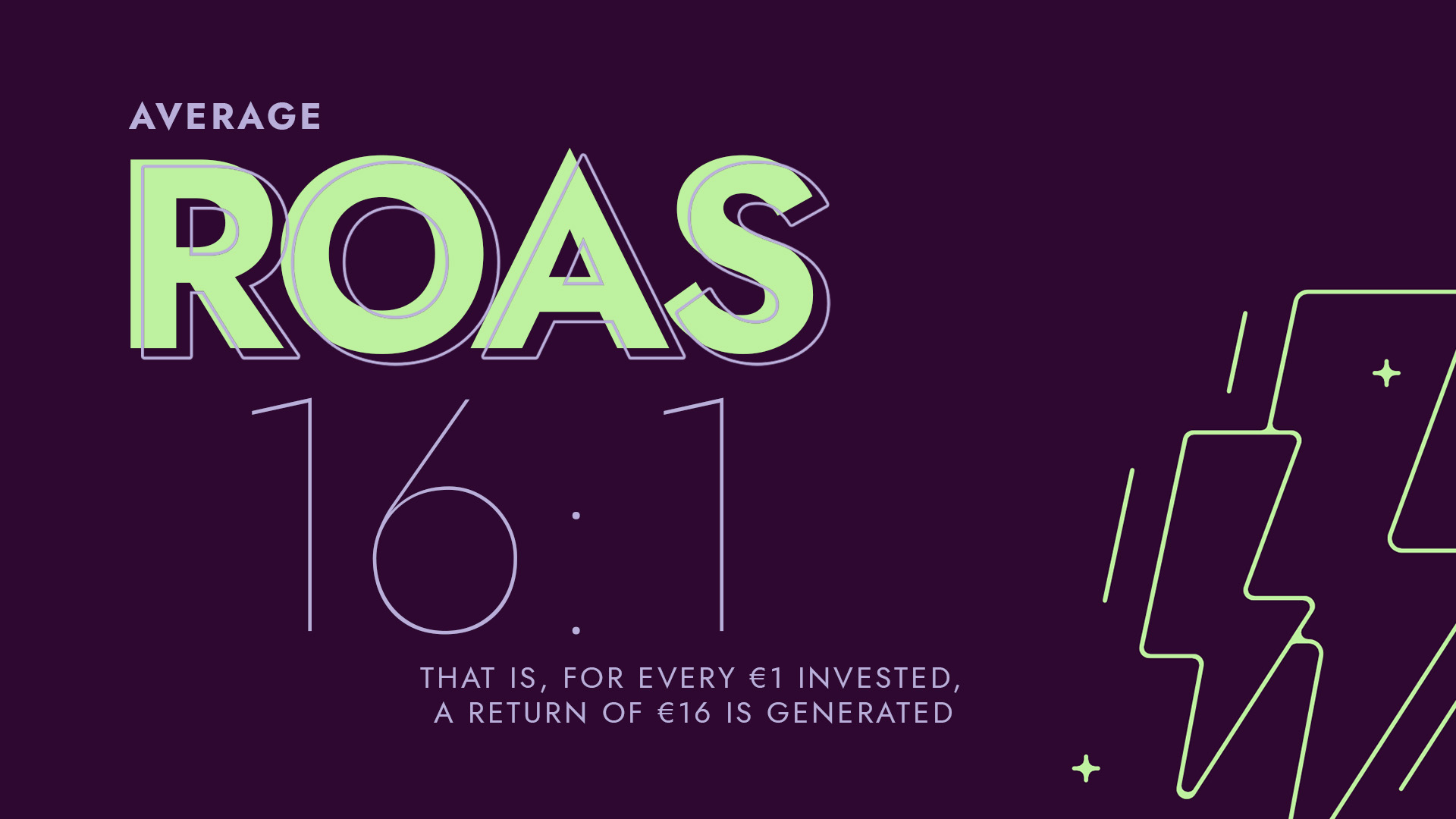
The Takeaway: If your digital and physical teams are still siloed, you are capping your growth. The data proves that an integrated approach doesn't just drive revenue - it drives efficiency. Don’t forget, these ROAS figures are conservative for multi-channel retailers since they ignore the in-store impact of digital. This remains one of the biggest untapped opportunities for multi-channel retailers.
There has been a surge in online competition from global beasts such as Amazon, Temu, and Shein. What we are now seeing is that having a physical presence is a competitive advantage in the Irish market. Retailers need to think carefully about how they leverage this across all of their marketing communications.
The days of relying primarily on "free" organic traffic to drive topline revenue are way behind us. Since 2019, we have witnessed a complete reversal in the search landscape.
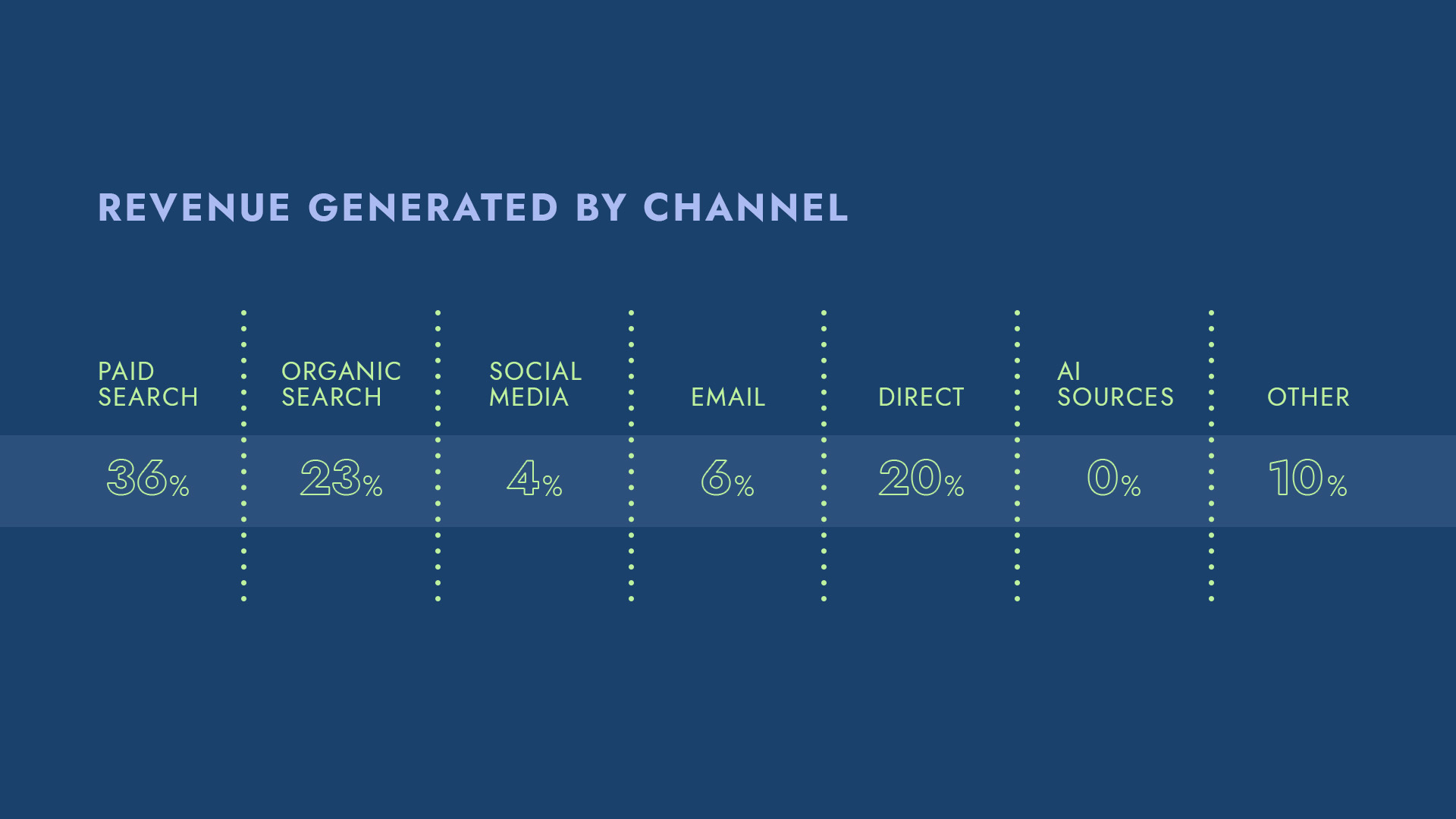
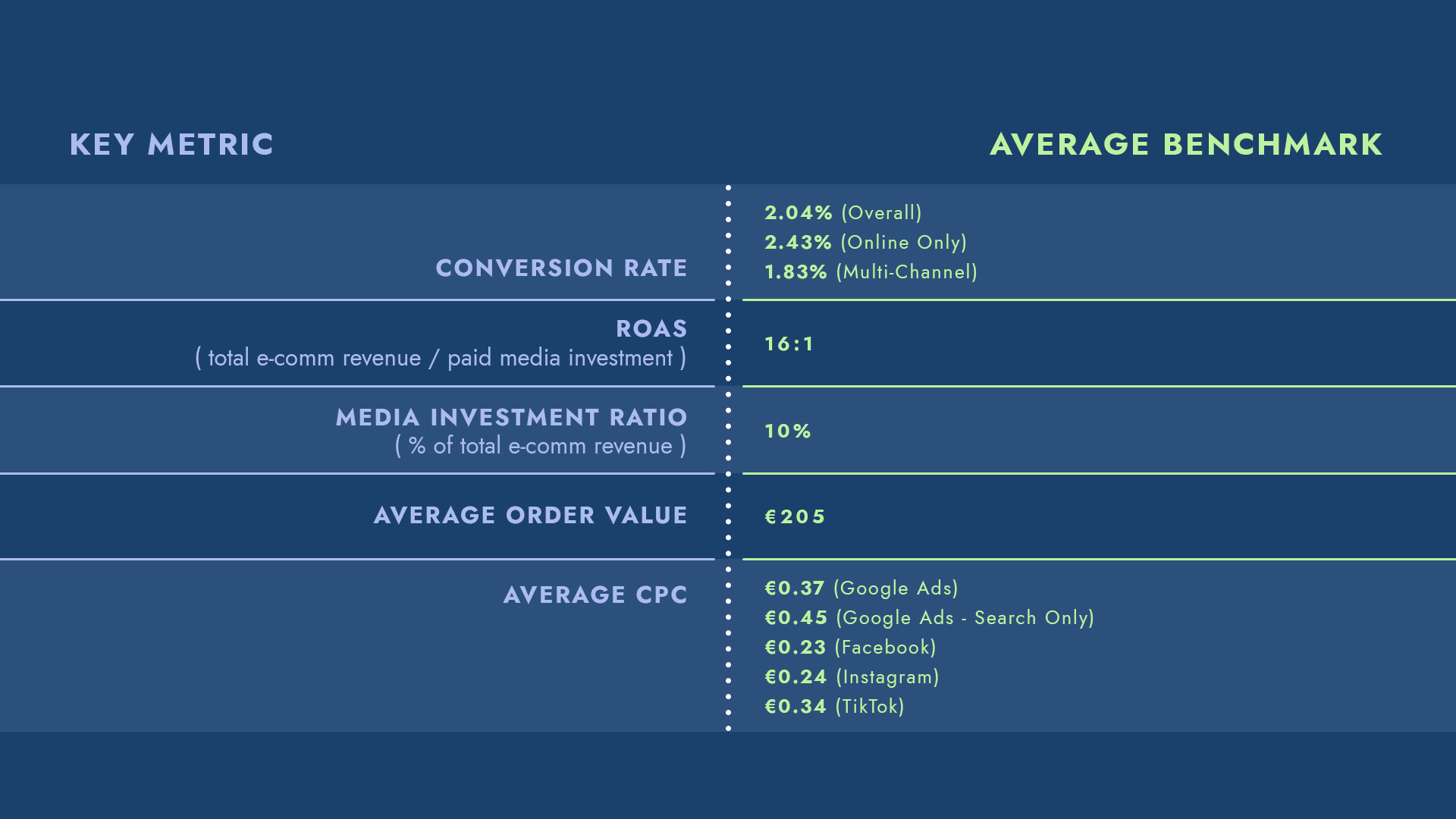
The Takeaway: Growth in 2026 requires investment. With paid search now the biggest single contributor to e-commerce revenue, budgets must be defended and scaled. On average, e-commerce retailers are investing 10% of their total online revenue into paid advertising.
Big tech’s business model is funded by advertising so they were always going to continue to squeeze organic or ‘free’ traffic. That doesn’t mean that it’s not worth fighting for - a blended approach to paid and organic search is required in order to de-risk your business from an over-reliance on paid channels.
Artificial Intelligence is on the agenda of every board meeting right now, but the data suggests we are in the early adoption phase rather than a revolution in traffic volume.
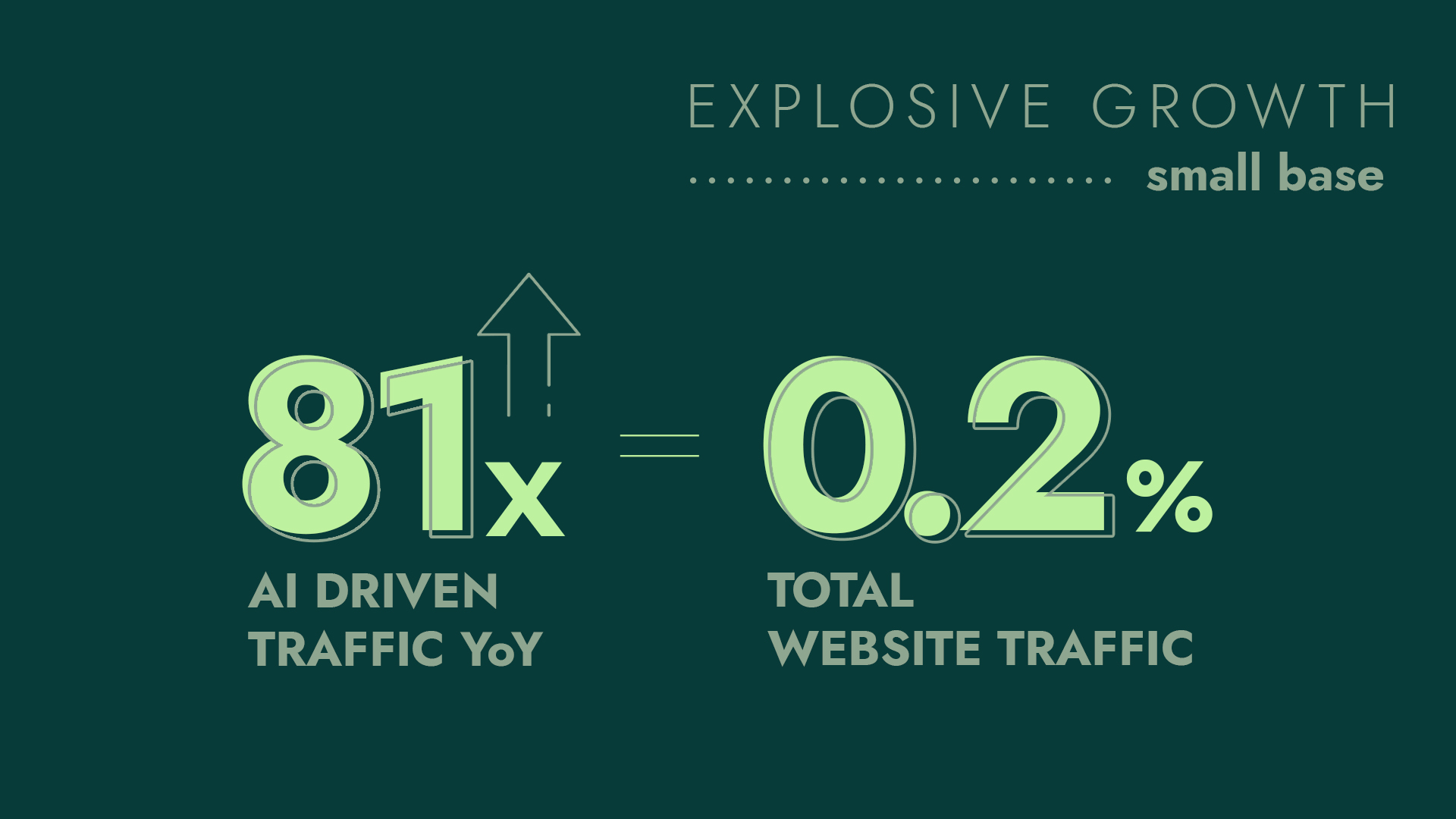
The Takeaway: Don't expect AI to suddenly become the biggest source of traffic and a key question is still whether AI research will ever manifest proportionally as website traffic. Notwithstanding this, getting to grips with how your brand is showing up in AI is crucial in 2026.
Amidst the noise of social commerce and AI, a traditional channel is having a record-breaking moment.
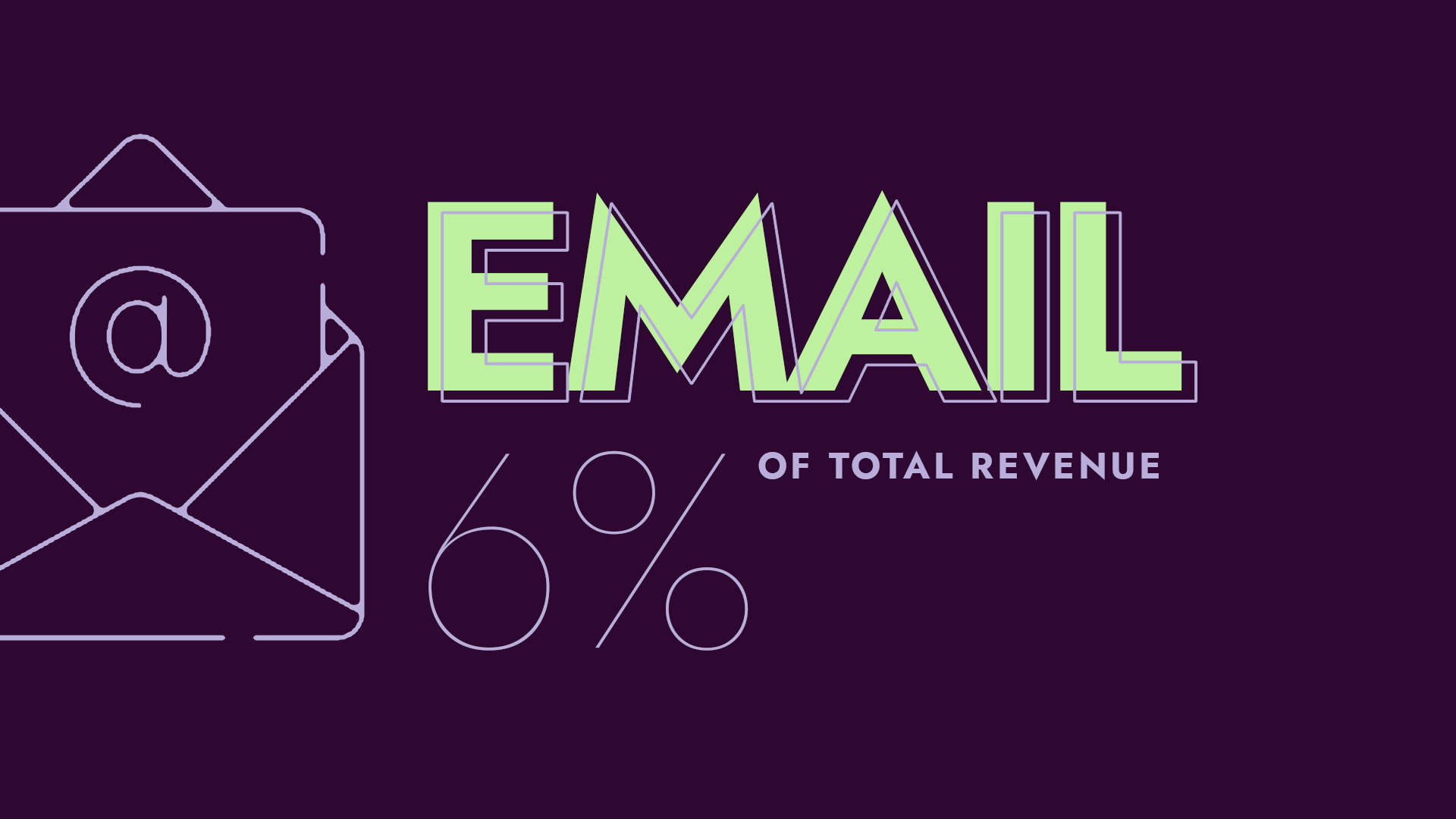
The Takeaway: First-party data continues to be a hugely valuable asset. As paid traffic dominates and we begin to enter an era of agentic commerce where website traffic could be harder to come by, having a direct relationship with a customer via a channel like email and CRM is crucial.
The impact of social media continues to be under-valued when measured via last click in Google Analytics.
The importance of social media in an integrated strategy is undeniable, and its impact will span organic search, paid search and direct traffic channels.
There are many studies, including our own, that show the correlation between social activity and brand searches, for example.
The Takeaway: The social attribution riddle may never be solved, so expanding your view of social performance beyond last click revenue is crucial to avoid under-investment in a channel capable of growing brands.
Beyond the insights above, there’s always an appetite from e-commerce professionals to benchmark their performance. With that in mind, we have summarised some key e-commerce benchmarks that should help answer some of those frequently asked questions:


Partner with a 6x Best Global Agency Winner that's as invested in your growth as you are.


